
The Incredible Migrations of Atlantic Bluefin Tuna: the Olympic Athletes of the Sea
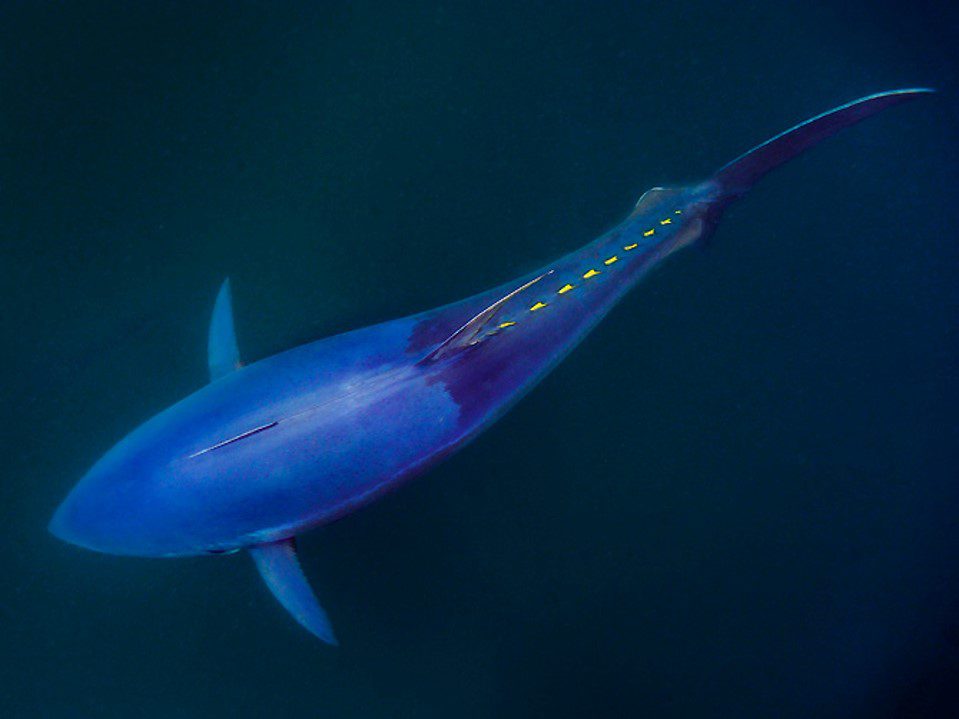
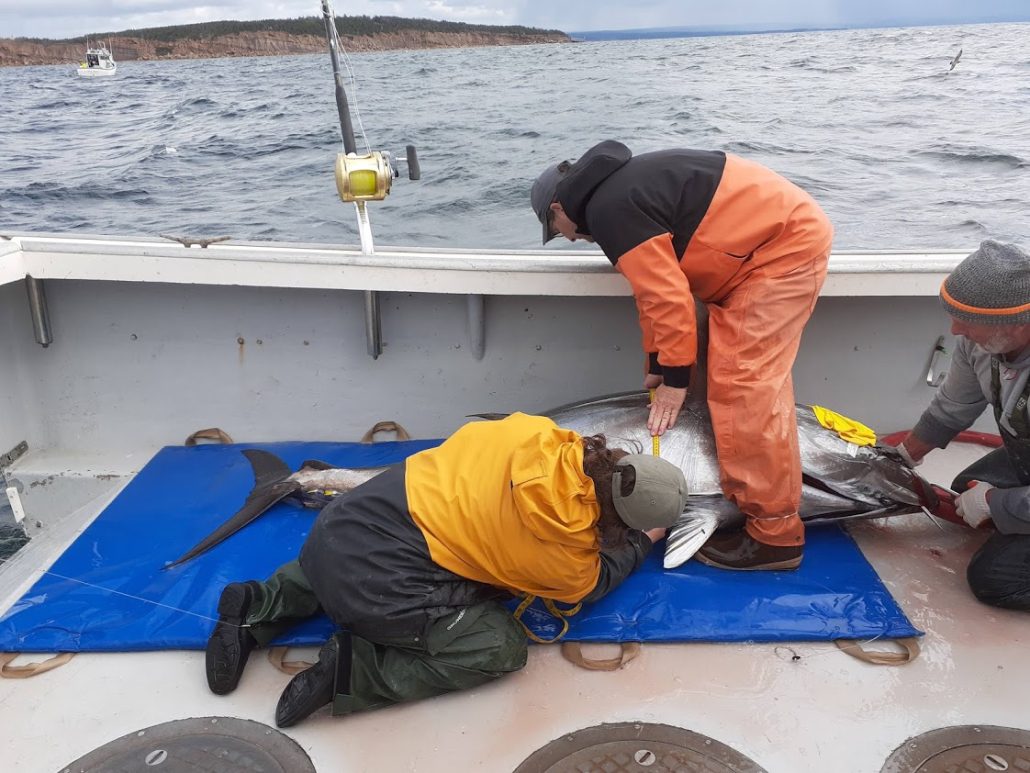
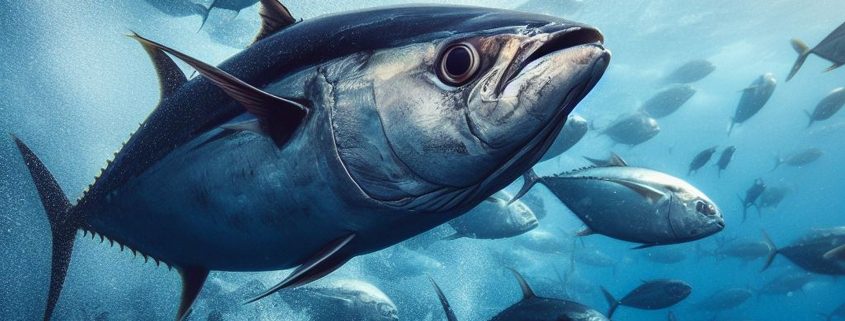
Atlantic Bluefin Tuna are the largest members of the family Scombridae, so, they are really large mackerel. They grow to more than 650 kg in weight, and over 395 cm (12 feet) long. Canadian fish that are caught commercially are mostly exported to Japan for the sashimi market. Because of their great size, strength, and speed, Atlantic Bluefin Tuna are also a prized sport fish and catch and release fisheries are active in several countries including Canada. Atlantic Bluefin Tuna are managed internationally by the International Commission for the Conservation of Atlantic Tunas (ICCAT), centred in Spain with 55 member countries. There are two main populations in the Atlantic, a larger resilient population that spawns mostly in the Mediterranean Sea, and a smaller less resilient population that spawns mostly in the Gulf of Mexico. Understanding the mixing, distribution, and migration ecology of these populations while at sea is central to informing proper sustainable management regimes from these fish. In this talk I will report on 20 years of electronic tagging of Atlantic Bluefin Tuna, to determine migration ecology, stock structure and to improve management.
 About our speaker: Dr. Michael Stokesbury is the Director of the Acadia Centre for Estuarine Research (ACER) at Acadia University, Wolfville, Nova Scotia. Dr. Stokesbury has over 30 years of experience tracking fishes using electronic tagging technology. His lab performs applied fisheries research focused on mitigating the impacts of industry on fish stocks.