Mission
To shape an environmentally sustainable future for the Clayoquot and Barkley Sound region through education and community stewardship.
Our Work
We seek to accomplish our mission by delivering a broad range of high-quality educational and research programs, such as field school, speaker series, summer camps, school programs, events, adult education courses, and research programs focused on the natural environment, cultures, and communities of the Clayoquot and Barkley Sound region.
Our Aim
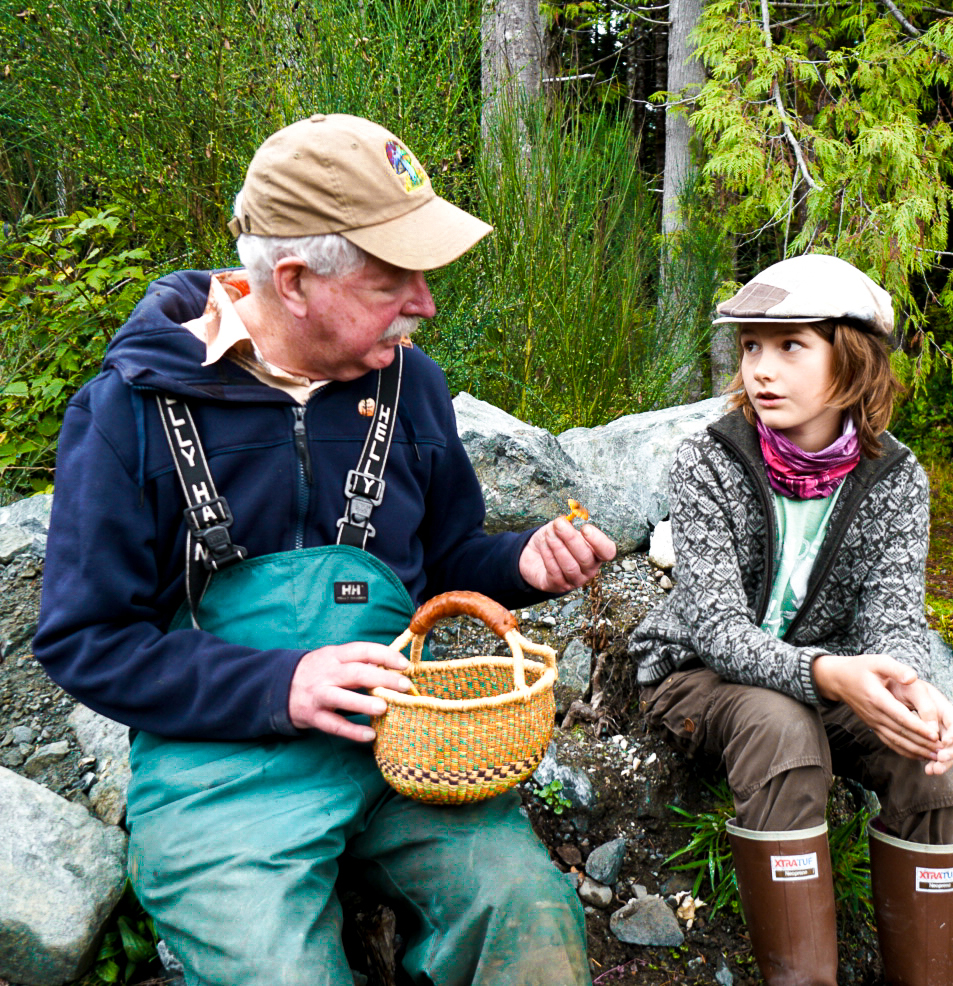
Our aim is to enable citizens within and beyond the Clayoquot and Barkley Sound region to participate knowledgeably, effectively and responsibly in the work of shaping this future for our region and for our planet.
We work with a broad range of public, private and community institutions and agencies, both within and beyond the region, in order to establish and maintain a high-caliber education and research network and to reflect a wide range of perspectives in all educational and research activities.
Our Vision
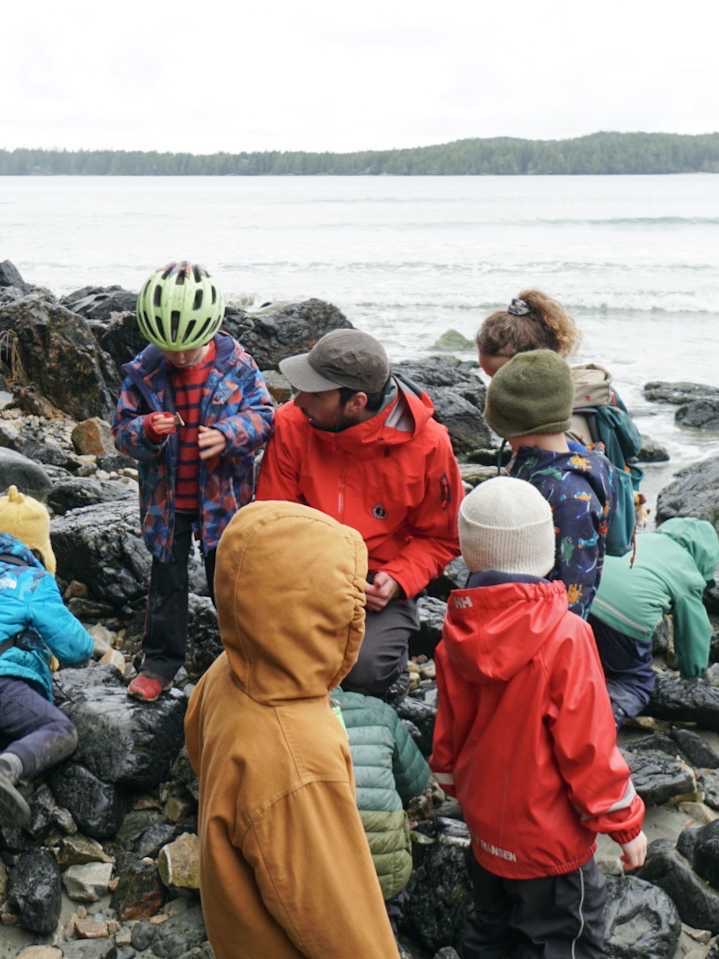
We envision a region characterized by an informed and engaged citizenry made up of individuals who think critically about local and global sustainability issues, and who use this capacity as the foundation for responsible and effective action to promote the conservation and sound stewardship of marine and terrestrial resources.
The focus of our programs is on the marine and terrestrial ecology of the west coast region, the First Nations cultures of the region, and the relationships between human communities and the environment. All of our educational and research activities stress responsible stewardship. We do not engage in activism or advocacy with respect to specific issues or disputes.
Our Name
The acronym for our organization is RES. The Latin word res means “the central condition,” or “the heart of the matter.” The work of the Raincoast Education Society (RES) is grounded in a recognition of the central and critical importance of research, education and informed discussion to the sustainability of our communities and our planet.
Our Logo
The Western Red-backed Salamander (Plethodon vehiculum) in our logo is an amphibian. Most amphibians spend the first part of their lives under water, and then transform to land-based, air-breathing adults. The life cycle of the amphibian therefore crosses aquatic and terrestrial ecosystems. Our salamander serves as a reminder of the interconnections among all ecosystems – and it also keeps us aware of the possibility of transformation.
Amphibians are important biological indicators. The health of amphibian populations in an area is an indication of the health and sustainability of the overall ecosystem. In a similar way, we believe that the level of research, education, and discussion in a community is an important social indicator of the community’s ability to work towards sustainability. The salamander is a symbol of our commitment to maintain a healthy, active, and respectful interaction among the diverse perspectives that make up the social environment of our region.