Interpretive Programs
Provide hands-on outdoor learning opportunities designed to engage locals and visitors of all ages with the natural world
From plankton exploration to rainforest walks to beach seines, the Raincoast Education Society is proud to offer interpretive programming throughout the year!
What programs do you offer?
From the coastal rainforest to the rich marine environment, our programs explore the incredible diversity of flora and fauna as well as the complex landscape that defines the region. Our skilled guides draw on both scientific and cultural perspectives to provide a unique understanding of the globally significant ecosystems of the region. See below for sample programs.
How long are your programs?
Programs often run 1.5 - 2 hours or 5 - 6 hours. We will do our best to accommodate your preferred topic, date and time, however some programs are tide and equipment dependent.
How much do your programs cost?
A quote for services will be given once the RES Program Form(opens in new tab) has been submitted (below) and we have had a chance to review.
How can we book a program?
Begin by submitting the RES Program Form(opens in new tab) with the preliminary details such as age range, group size, and trip length. If there are particular interests or suggestions of what the group would like to focus on, please add those details. Someone from our team will follow up with you as soon as possible.
Note: Our group size is 1-20 participants and this can depend on our number of available guides on the requested day. If you have groups larger than 20, please specify the number of participants in your inquiry.
Available Programs
Intertidal Ecology
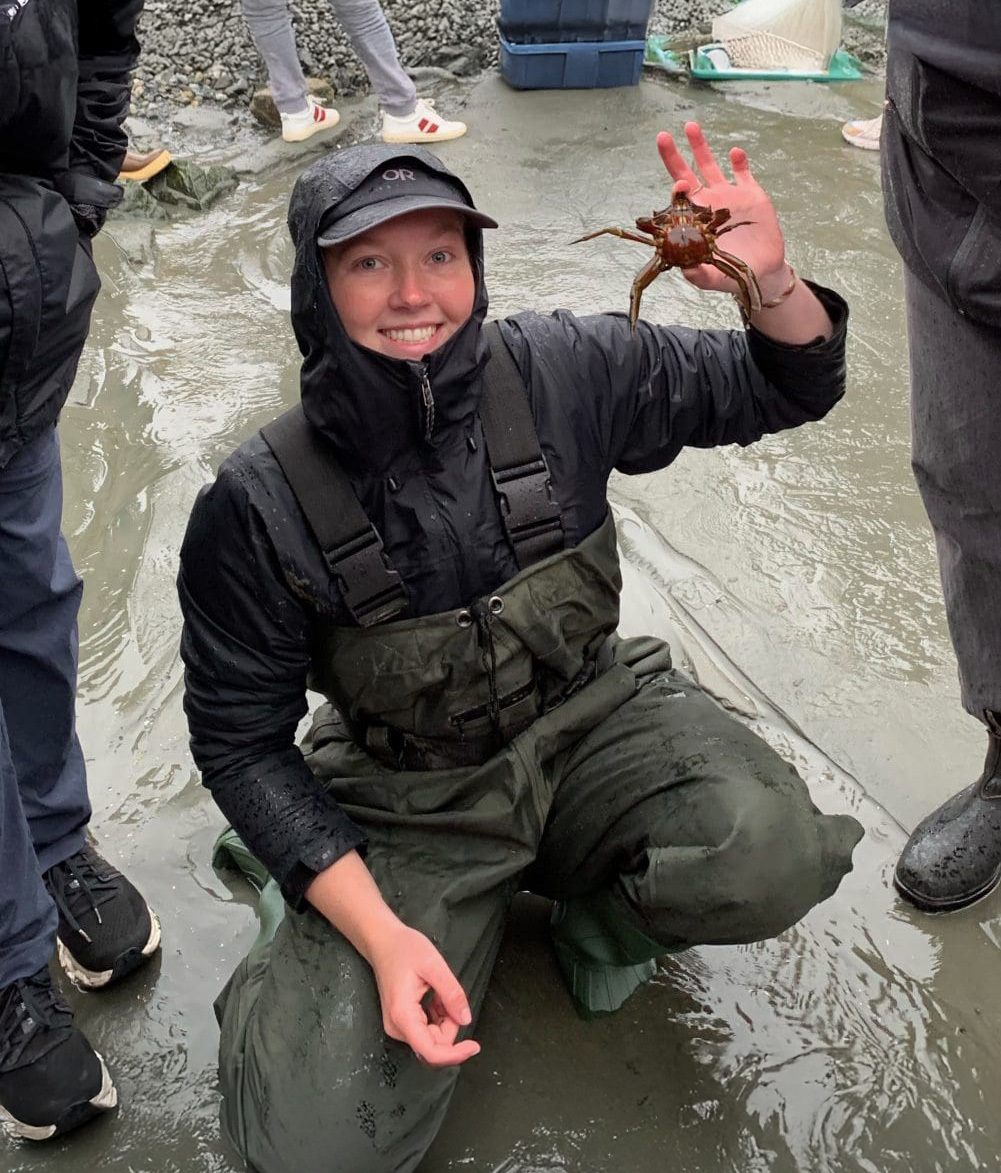
An exploration of intertidal ecology is a great way to learn about the fascinating creatures that inhabit our coastal tide pools. Tide pools exist in the rocky intertidal zone (intertidal: the area between the highest high tide and the lowest low tide). We have two high tides and two low tides every day (~6 hrs between each change); thus, half the time the rocky intertidal zone is underwater and half the time it is exposed to the air. Not only do the marine creatures that inhabit this rugged environment have to deal with fierce waves, cold water and marine predation when the tide is in, they also have to adapt to being out of the water for extended periods and avoid terrestrial predation when the tide is out.
Our educators draw on both scientific and cultural perspectives to provide a unique appreciation of this fascinating ecosystem. Intertidal exploration can only take place during low tide.
Oceanography and Plankton Ecology
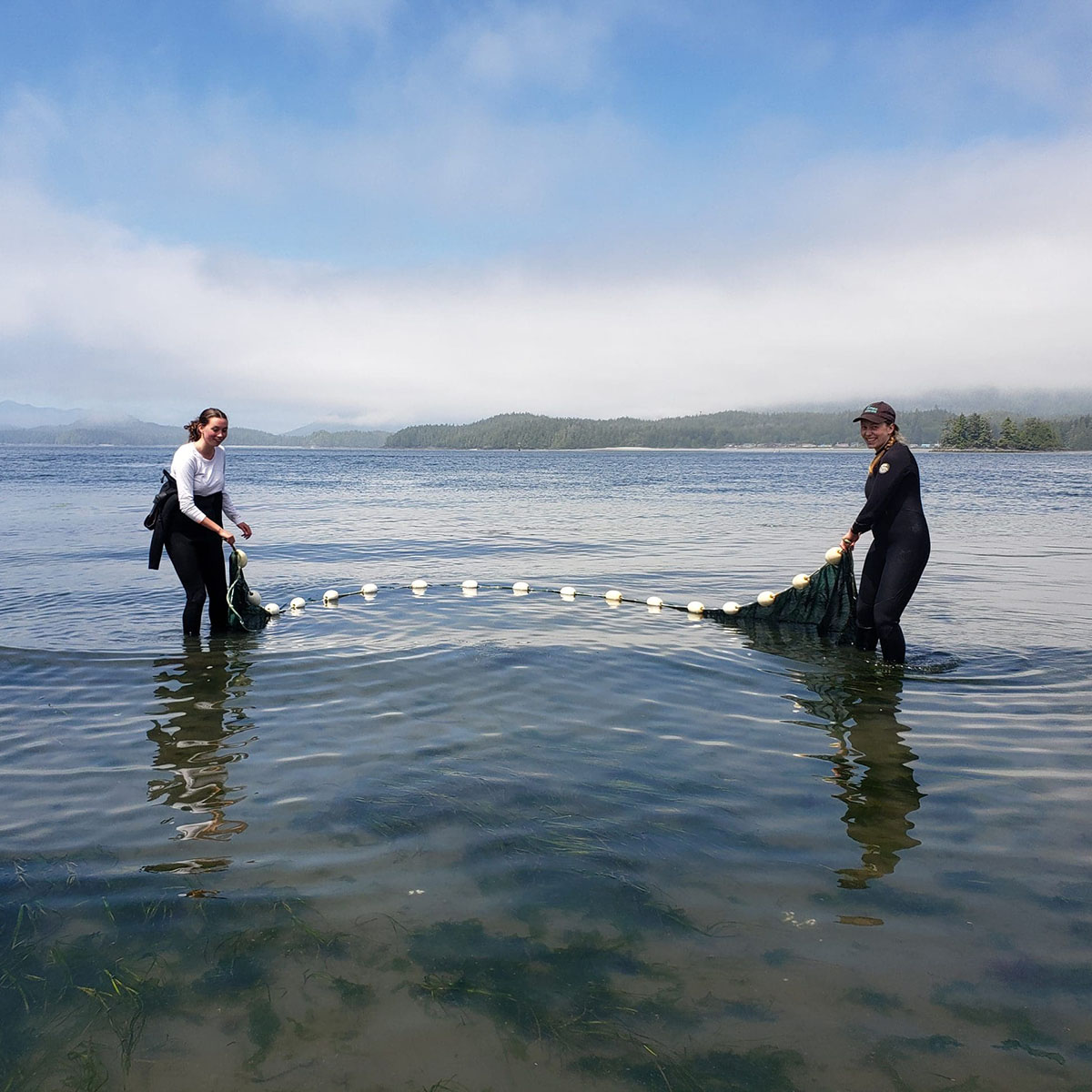
Plankton (from greek planktos, meaning wanderer) are marine organisms that live in the water column and cannot swim against the current. Some are photosynthetic and use the sun’s energy to grow, while others are true animals, eating other organisms to grow. Though you may not always see them, plankton are out there, and some will become a feast for tiny fish or giant whales.
Our educators will demonstrate how oceanographers collect data on our world’s oceans. Your group can examine plankton under a microscope and take part in a beach seine along the eelgrass beds. We’ll discuss the importance of eelgrass ecosystems and the food web connections of this fascinating group of organisms. Beach seines depend on low tide and equipment/location availability.
Invertebrate Diversity
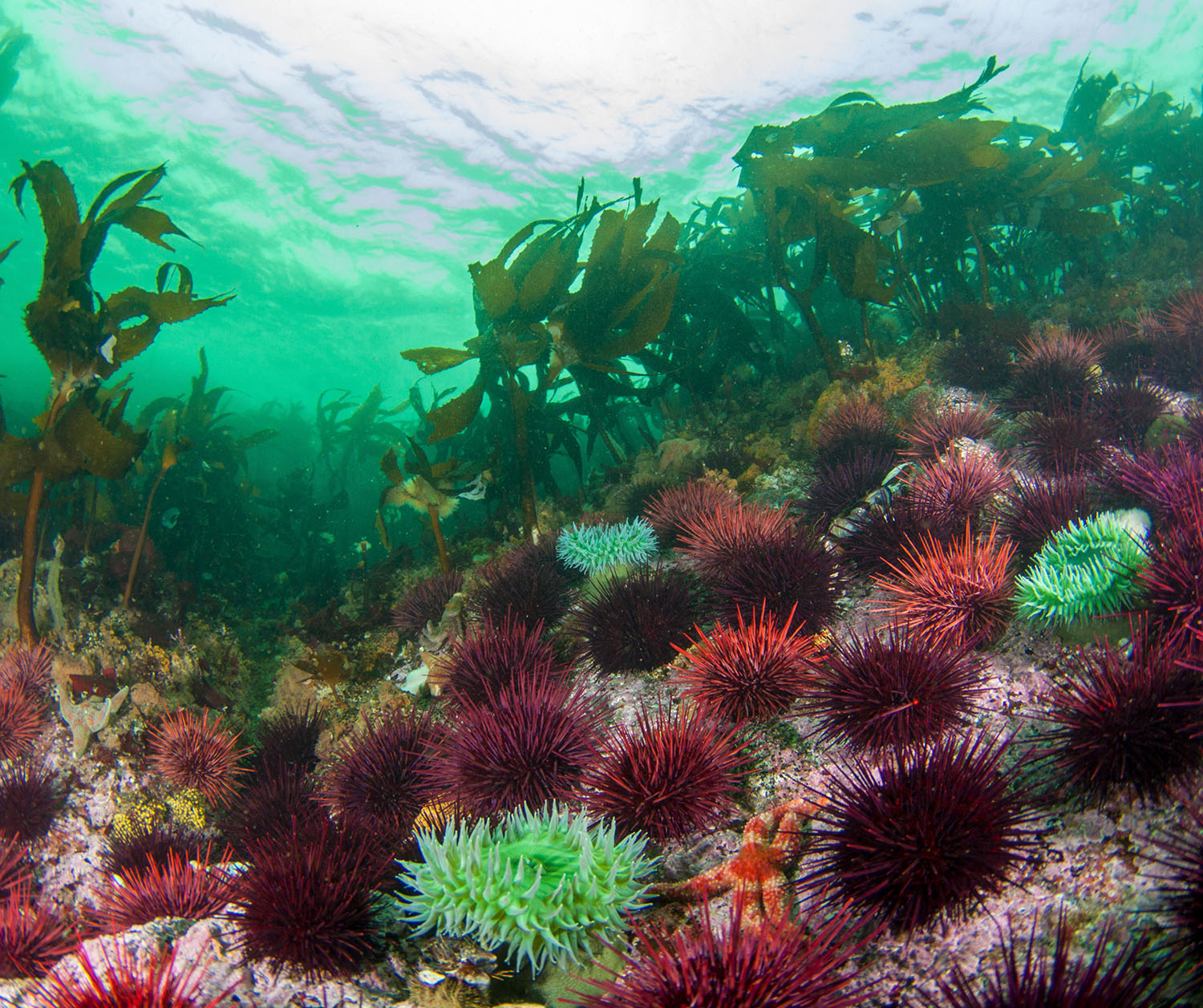
Invertebrates – animals without a backbone – represent the majority of life in the ocean. In our invertebrate diversity program, students will explore the diversity of marine invertebrates found in Clayoquot Sound.
Instructors will provide a brief introduction to classification systems and characteristics and identification of species. Teaching will be tailored to the grade (curriculum) level and requirements of individual groups. This is a great introduction to the marine organisms found on the west coast! This program is delivered at low tide.
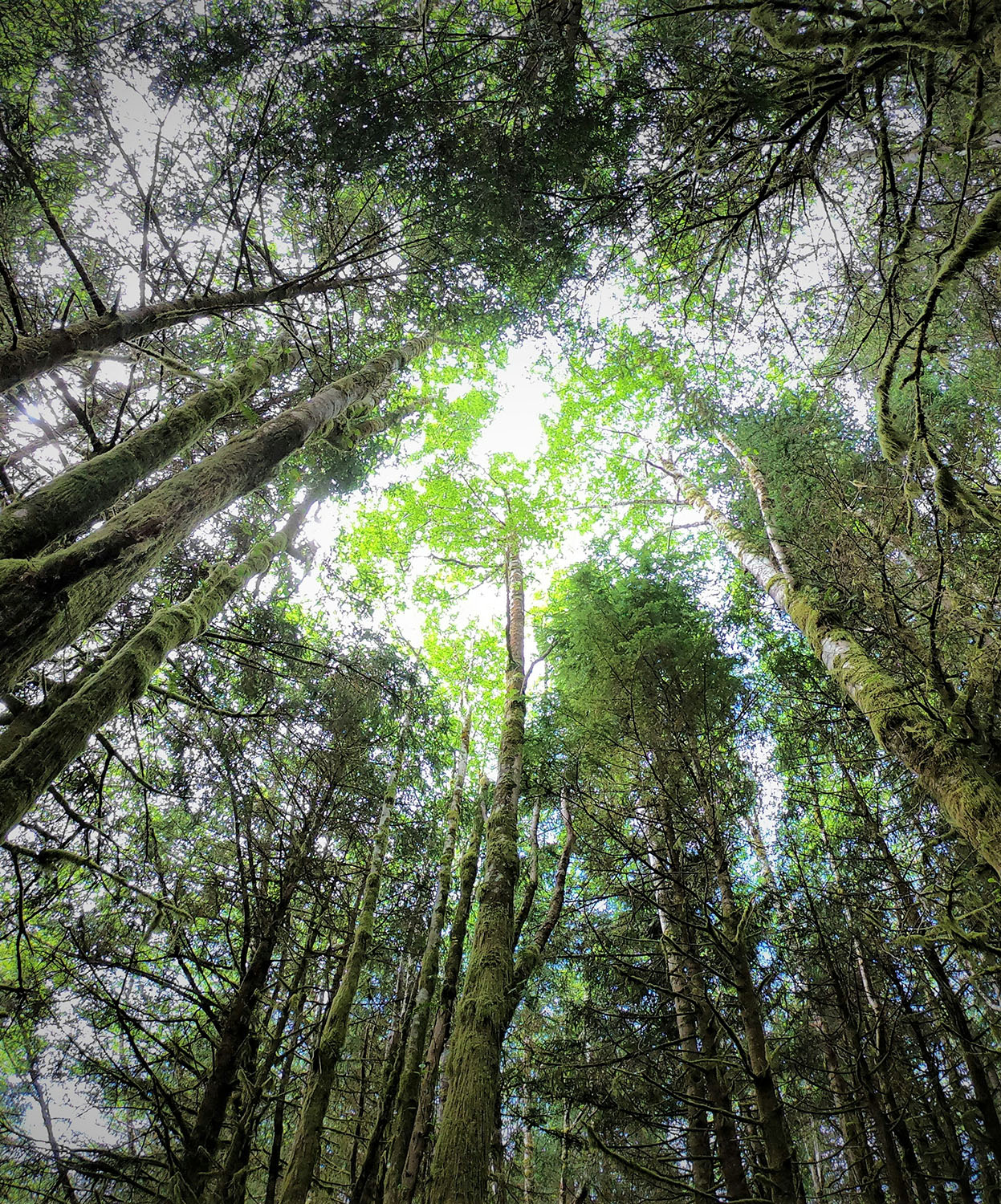
Rainforest Ecology
Coastal temperate rainforests are one of the world’s rarest ecosystems, comprising less than 0.1% of the earth’s surface. British Columbia is home to more than 25% of the earth’s remaining old-growth temperate rainforests, with Clayoquot and Barkley Sound containing the largest tracts of ancient rainforest on Vancouver Island.
Your group will be immersed in the rainforest ecosystem through hands-on activities and dynamic discussions. Our educators will provide your group with a unique understanding of this ecosystem, from the impressive diversity of flora and fauna to the interconnections with the marine environment, to the rich cultural history that defines the landscape to this day.
Our educators draw on both scientific and cultural perspectives to provide you with a strong understanding of what makes these rainforests so significant.
Avian Ecology
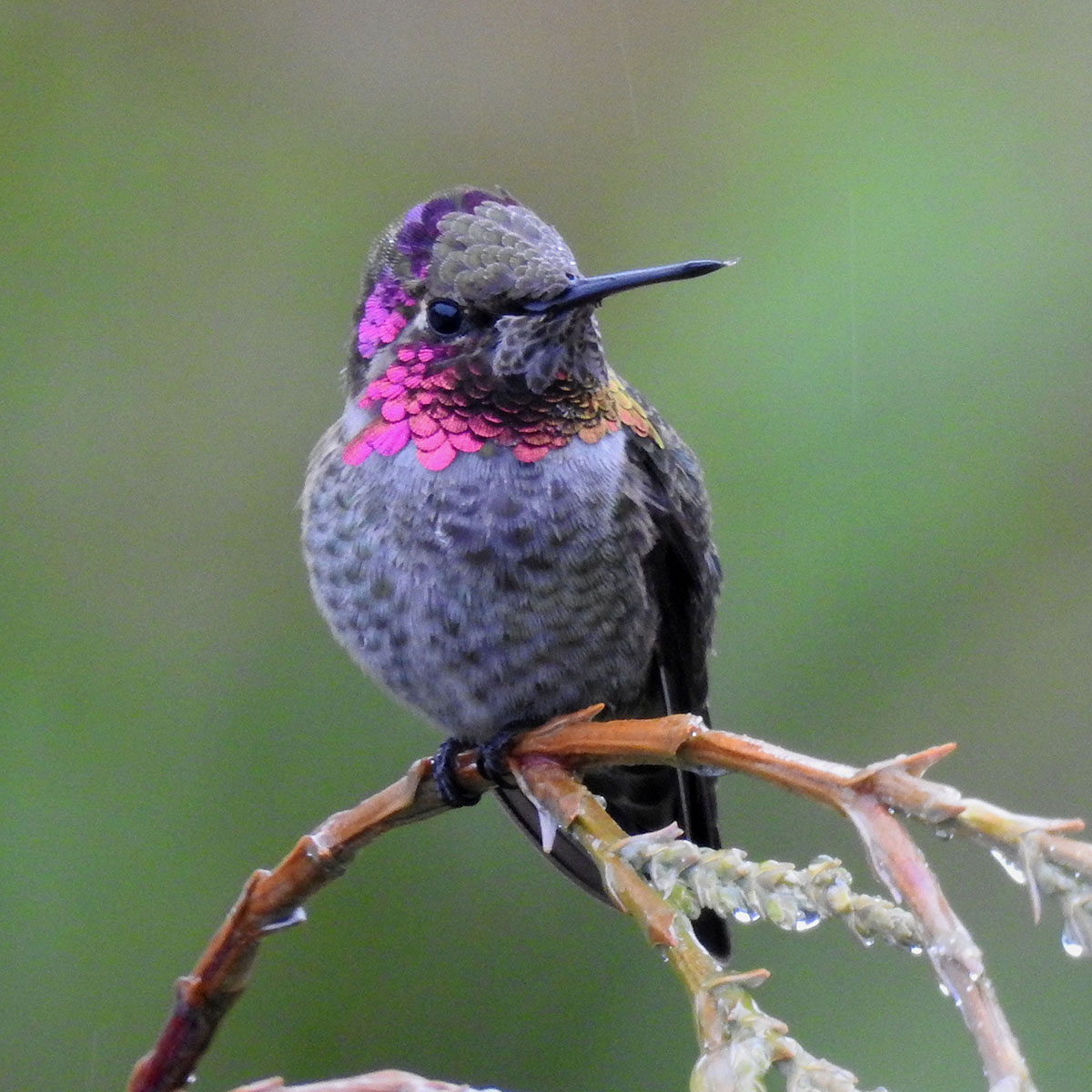
Birds – the toothless, feathered, egg-laying animals that inhabit just about every corner of the Earth – are amongst the most diverse group of chordates. In our avian ecology program, students will explore the diversity of songbirds, seabirds, and shorebirds found in Clayoquot Sound.
Instructors will provide a brief introduction to classification systems and characteristics and identification of species, with a focus on habitat preferences. Teaching will be tailored to the grade (curriculum) level and requirements of individual groups. This is a great introduction to the birds found on the west coast! BYOB(incoculars).
Free Events
We offer free Interpretive Programs on a regular basis every summer. Watch our calendar of events to learn more.